Moving into a new home is a busy week. Boxes, deliveries, utility appointments and school or work schedules compete for attention. Yet the first few days are also the best time to understand how the property secures. You do not need to buy every security gadget at once. Start with practical questions: which doors and windows close correctly, who may still have keys or codes, and which entries need repair? The City of Albuquerque home-security checklist also recommends checking doors and windows. This checklist is designed for a newly occupied home in Albuquerque or Rio Rancho, whether you bought the property or are renting it.
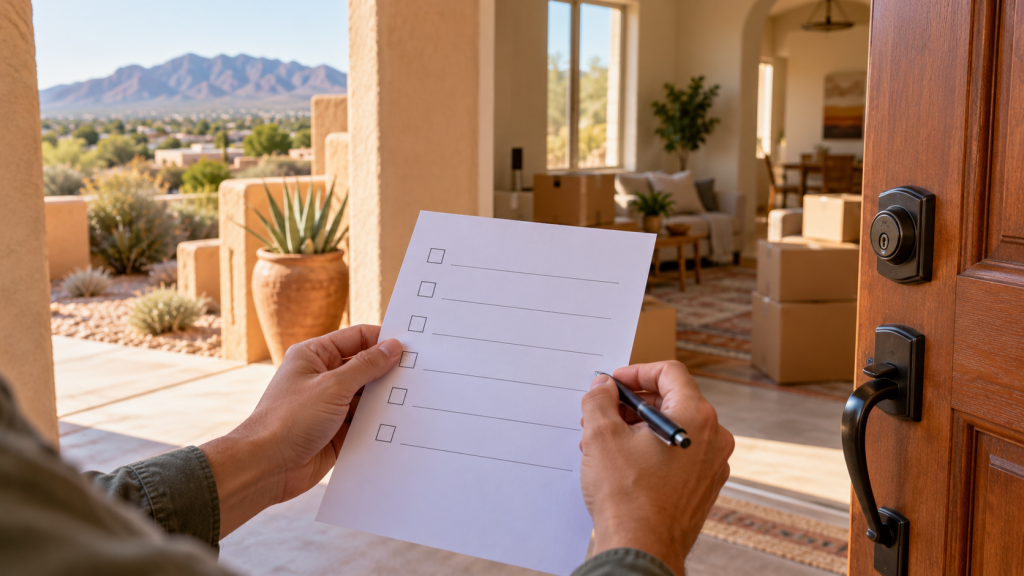
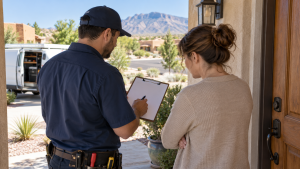
If a lock is broken, a key does not work, or an entry cannot be secured, call Budget Locksmith of New Mexico at (505) 509-5770. Our residential locksmith team can help evaluate hardware in the Albuquerque area.
Day one: account for every entrance
For a new home, walk the property in daylight. Identify the front and back doors, garage side door, patio or sliding door, gates, and any door between an attached garage and the home. Do not assume the most visible door is the only practical entrance. Test each lock from both sides when safe to do so. A door should close without being lifted or slammed; a deadbolt should extend without unusual force. Note missing strike plates, loose knobs, cracked frames, and keys that bind. Photograph concerns so you can discuss them with a landlord, seller, or locksmith.
Check windows as well. Open and close one at a time, then confirm its latch engages. A window that looks closed may not be fully seated. Check that screens, blinds and exterior lighting do not obscure obvious maintenance issues. If you discover a broken window latch or door lock, prioritize repair. Decorative security devices are a poor substitute for working primary hardware.
Day two: decide who should have access
The security of a new home starts with knowing who has keys. A previous owner may have given keys to relatives, contractors or neighbors. A prior tenant may have made copies. You cannot infer the number of existing keys from the keys handed over at closing. Rekeying changes the cylinder so old keys no longer work, while replacing a lock changes the whole hardware assembly. The right option depends on whether the existing lock is sound, compatible and suited to the door. Ask a locksmith to inspect rather than assuming every lock must be replaced.
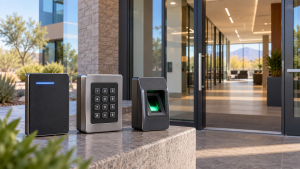
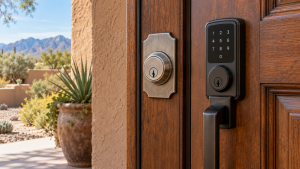
If the property has a keypad, garage remote, alarm code or smart lock, reset credentials according to the manufacturer’s instructions. Remove old user codes and accounts when possible. Change the garage door opener code and check which remotes are paired. For a rental, coordinate changes with the property owner and follow the lease. Document what was changed so everyone in your household knows which access method now works.
Day three: check doors as systems
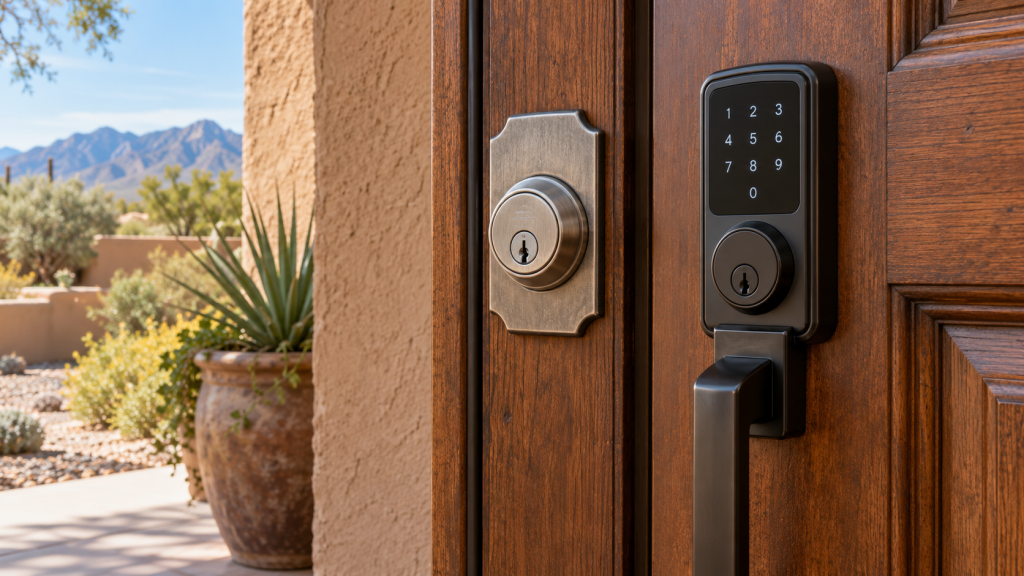
In a new home, a strong deadbolt will not help if the door frame is split or the strike is loose. Look at hinges, screws, weatherstripping and the fit of the door. Pay attention to doors that stick during the hot afternoon but seem fine in the morning; Albuquerque temperature changes can affect alignment. If the bolt rubs or fails to extend completely, do not force it until it appears locked. Our lock repair and adjustment service can assess the complete entry.
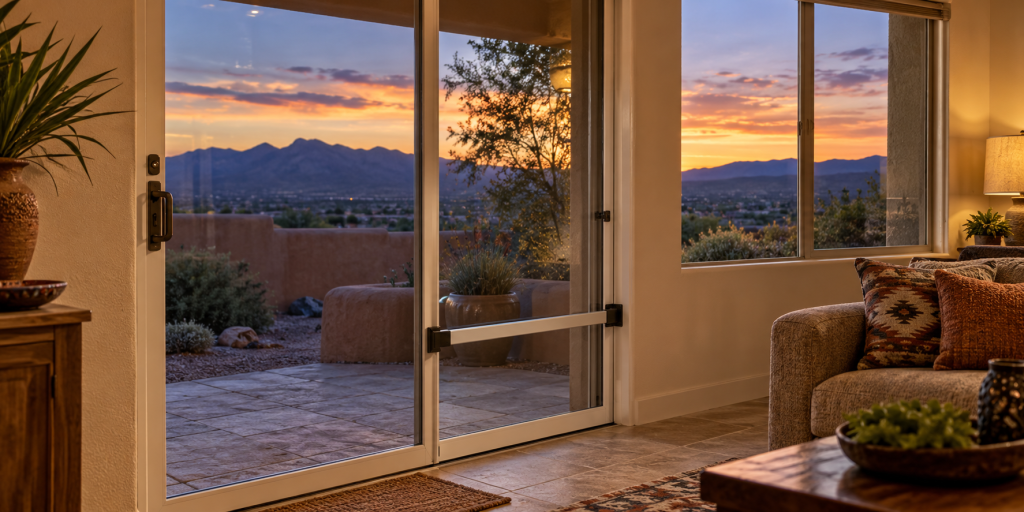
Sliding glass doors need a separate check. Confirm the latch works, the panel tracks properly, and the frame is in good condition. A supplemental bar or other device may be useful depending on the door, but do not rely on an improvised solution that blocks emergency egress. For exterior gates, test the lock after closing the gate fully; a latch that catches only when pulled hard may need adjustment.
Day four: make an access plan for the household
For a new home, every resident should know which doors they can use, where a spare key is kept, and whom to call if locked out. Avoid hiding a spare in an obvious place near the entry. If you choose a smart lock or keypad, use individual codes where available and agree on who manages them. Set a calendar reminder to check batteries. If a child or older relative needs access, choose a method they can use reliably rather than selecting a device solely for its features.
An emergency plan also matters. Make sure interior exit hardware operates as intended and does not require searching for a key during an emergency. Check smoke alarms and lighting as part of the broader move-in process. Security is strongest when the door remains practical for daily use and safe egress, not when every entry becomes complicated.
Day five: review the garage, vehicles and deliveries
For a new home, the garage may be the entry you use most often. Test its pedestrian door lock separately from the overhead door opener. Remove or reprogram remotes that belonged to previous occupants. Do not leave house keys or a garage remote visible in a vehicle parked outside. If a vehicle key is missing, assess the vehicle’s key system with an automotive locksmith rather than assuming a duplicate of the remaining key is enough.
Deliveries can reveal patterns of absence or place packages near an unsecured door. Choose a well-lit drop location and establish how household members will bring packages inside. Keep contractor and mover access temporary. If someone needed a code or borrowed a key during the move, remove that access once the work is complete.
Day six and seven: prioritize repairs
For a new home, by the end of the week divide your notes into urgent, scheduled and optional items. An exterior door that does not lock is urgent. A key that sticks, a loose deadbolt or a misaligned strike should be scheduled promptly. Cosmetic hardware changes can wait. This ordering helps you spend money on actual weaknesses first. If several locks use different keys, ask whether compatible hardware can be keyed alike, but verify that simplifying the key set does not create an unwanted access issue.
Keep a short record of lock models, key changes, code resets and repair dates. Do not store codes in a public note or share them casually. For a landlord or property manager, send a concise list of any condition that needs approval or repair. If a home inspection report mentioned door issues, compare that report with what you observe after moving in.
New home handoff checklist for the first week
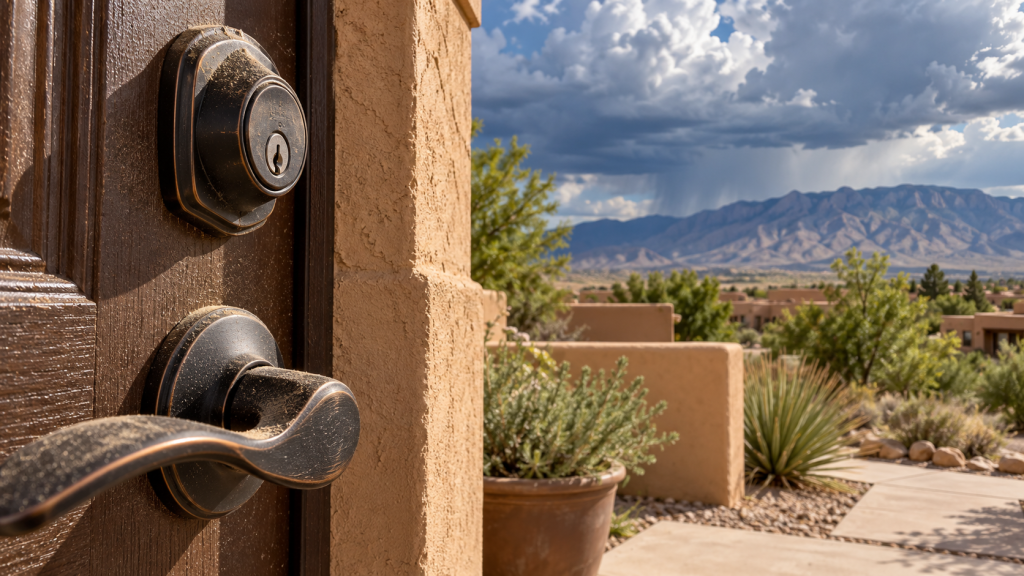
Collect every key, remote, keypad code and app invitation received at closing or move-in. Write down which opening each item controls and test it while you still have another way to enter. A key that works only when you pull the door is a repair clue, not an acceptable normal routine. If a lock cannot be secured, handle that before cosmetic upgrades. Photograph the condition of doors and windows so a landlord, seller or service provider can understand what you found.
In a new home, access may also exist outside the front door. Review the garage side entrance, patio latch, gate, storage room and any lockbox that was used during a showing. Ask the property manager or closing contact which codes and remotes were transferred, and change or revoke credentials that should no longer work. If you rent, coordinate changes with the owner and your lease terms before altering hardware. Keep a safe, documented way for authorized people to reach the property.
Finish the week by ranking issues. A door that will not lock deserves immediate attention. A sticking key or loose strike may be scheduled promptly. Optional upgrades can wait until you know how the household uses each entrance. New home security is easier to manage when one person keeps a written list of repairs, access changes and follow-up dates. That record also makes it easier to explain the problem when you call a locksmith and to verify that the work solved it.
Make access changes in a sensible order
Begin with the entrances that protect the living space. Confirm that the front, back and garage side doors close without force and that their bolts engage fully. Then check patio doors, windows, gates and detached storage. This order helps when time and budget are limited, because a working primary door matters more than an optional electronic upgrade. If a key sticks, test a clean spare once; do not keep twisting a key that may break. Record the symptom and the specific door so a technician can diagnose it.
Next, review who can still enter. A new home may have keys held by a previous owner, neighbor, contractor or property manager. A garage remote and a keypad code can be just as important as a metal key. Ask for a list of transferred access devices, then decide which should be changed, reset or retained. If you need a service appointment, have proof of occupancy ready and identify a responsible person to approve work. Residents should know where the backup key is stored and whom to contact if an access device fails.
Plan for deliveries, guests and emergencies
Move-in week often brings many visitors: movers, installers, utility workers and deliveries. Avoid handing out a permanent household code to solve a one-day scheduling problem. If your system supports temporary codes, set an expiration and remove access after the visit. If it does not, arrange for an authorized person to be present. Keep a log of who received a key or code and when it was returned or removed. That small habit prevents uncertainty a month later.
Security also needs to work during an emergency. Make sure occupants can leave quickly through the appropriate exits and know how to operate every lock from inside. Check whether bedroom windows open as intended and whether supplemental devices could interfere with escape. A new home should have a practical plan for a lost key, a dead smart-lock battery and an unexpected power outage. Discuss the plan with every resident, including anyone who may need help operating a lock.
Review the plan after you settle in
The first-week list is a starting point. After two or three weeks, revisit the entrances you use most and note any new sticking, rubbing or loose hardware. A door can behave differently after daily traffic reveals a worn hinge or after weather changes. Keep receipts and service notes together, and confirm that repaired locks work with the door open and closed. New home upkeep is easier when the household knows what normal operation feels like and reports changes early.
A room-by-room walkthrough
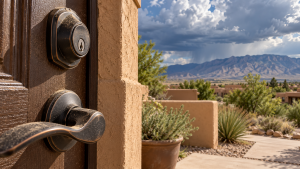
At the front entrance, check the key cylinder, deadbolt, latch and door closer if one is installed. Look at the strike plate and the wood or metal around it. The bolt should extend fully without lifting or pulling the door. Confirm that the doorbell, porch light and address numbers are easy to use and see, but do not treat those features as substitutes for a sound lock. If a previous occupant left a lockbox near the entrance, arrange for its removal or change of code.
At the patio or yard, slide each door through its full travel. A latch can appear secure while the panel is not seated in the track. Check the frame and rollers, then verify any supplemental bar or lock can be used by the household without interfering with a required exit. Inspect ground-floor windows one at a time; close, latch and gently test the sash. Note damaged screens, but remember that a screen is not a security barrier. Where a window serves as an emergency exit, do not add a device that traps occupants.
At the garage, separate the overhead door opener from the pedestrian door lock. Both may have credentials inherited from a previous owner. Review remotes, keypad codes and any app account. If you cannot confirm who controls an opener, consult its manufacturer’s reset instructions or a qualified garage-door professional. Keep locksmith work focused on the door and lock hardware it covers. A garage side door that sticks or fails to latch deserves the same attention as the front entry.
Keep the checklist usable
Write one line for each entrance: location, type of lock, whether it closes normally, who holds access, and the next action. Mark an issue urgent when the property cannot be secured. Mark it scheduled when the lock works but shows wear or needs adjustment. Mark it optional when it is an improvement you can decide after living with the property. This simple triage makes a new home checklist useful during a busy move instead of turning it into an unmanageable shopping list.
When you call for service, describe the exact symptom and whether the door is wood, metal, hinged or sliding. Explain if a key is bent, a bolt is rubbing, or an electronic device has lost power. Ask what information the technician needs before arrival and request a clear explanation of the proposed work. Once the issue is fixed, test the entrance with every normal user and update your list. The goal is a home where access is controlled, doors operate reliably and everyone knows the backup plan.
Before the week ends, walk the property once more with the completed list. Confirm that every exterior door closes and locks, every window latch works, and every resident knows the access plan. Store spare keys responsibly and remove credentials that no longer belong to authorized users. A new home is easier to enjoy when the basics are reliable, documented and understood by the people who live there.
Frequently Asked Questions
Should I rekey a home immediately after moving in?
Rekeying is often sensible when you cannot account for every existing key. Whether it is appropriate depends on the lock’s condition and your ownership or lease agreement. A locksmith can confirm whether the hardware can be rekeyed reliably.
Do I need to replace every lock?
No. Sound hardware may only need rekeying or adjustment. Damaged, incompatible or low-quality hardware may merit replacement. Inspect each entry individually rather than applying one answer to every door.
What about a garage door remote from the previous owner?
Follow the opener manufacturer’s process to clear old remotes and pair the ones you keep. Also change keypad codes. Check the separate pedestrian door lock, which is not controlled by the overhead opener.
Are smart locks a good move-in upgrade?
They can help manage temporary access, but they need battery and code management. Fix door alignment first, then choose a model that fits the entry and your household’s routine.
What if I find a lock that only works when the door is pushed?
That suggests alignment or pressure on the bolt. Avoid forcing the key. Record when it happens and request a repair assessment, especially if the door cannot be secured consistently.
Start with the basics
A first-week checklist does not require a complete renovation. It requires knowing who can enter, confirming that doors and windows actually secure, and fixing defects before they become lockouts. Budget Locksmith of New Mexico serves Albuquerque and nearby communities. Call (505) 509-5770 if you would like help assessing your new home’s locks.