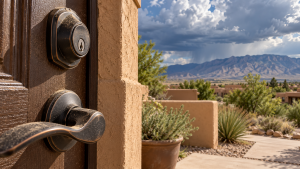
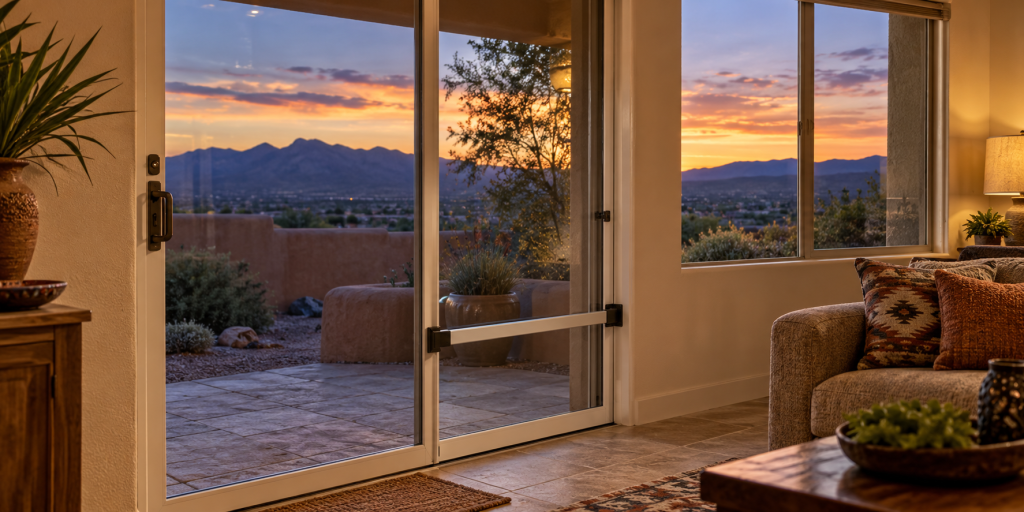
Sliding door security deserves its own inspection, even in a home with a strong front-door lock. A front door gets most of the attention during a home security review, but many Albuquerque houses also have a sliding patio door, windows facing a yard, and side openings that are used less often. Their hardware works differently from a conventional deadbolt. For sliding door security, the panel depends on tracks, rollers, a latch and a sound frame. A window depends on its sash, latch and the condition of its opening. Improving these entrances means understanding how they close and how people will exit in an emergency, rather than adding a device that looks strong but gets in the way.
Budget Locksmith of New Mexico can help evaluate locks and related entry hardware as part of a residential locksmith service in Albuquerque. Call (505) 509-5770 if an opening will not secure properly.
Sliding door security starts with how it moves
Open and close the sliding panel slowly. It should travel without jumping, scraping or requiring unusual force. A panel that drags may have worn rollers, debris in the track or a frame that has moved. If it does not sit squarely when closed, its latch may miss the keeper even if the handle appears to be in the locked position. Confirm that the latch actually engages by gently testing the closed panel. Do not rely on the sound of a click alone.
Look for loose screws, damaged trim, cracked glazing or a bent track. Albuquerque dust can accumulate in a bottom track and affect movement. Clean accessible track surfaces according to the door manufacturer’s instructions, but avoid forcing or dismantling a heavy glass panel. A door that remains misaligned may need a door specialist or locksmith to evaluate the appropriate hardware. A new lock installed on an unstable panel may not address the underlying problem.
Evaluate the existing latch and supplemental options
The City of Albuquerque home-security checklist recommends securing sliding doors and locking windows. Sliding door security begins with confirming that the original latch works before adding supplemental hardware.
Many sliding doors have a compact latch at the handle. Some homeowners add a track bar, pin, or secondary lock to provide another layer. The best option depends on the door design and the way the household uses the entrance. A loose stick dropped into the track is not equivalent to a properly fitted device and may be forgotten or misplaced. A visible, easy-to-operate supplemental lock can be useful when everyone understands how to release it.
Before adding anything, consider emergency egress. Occupants must be able to leave quickly and safely, including when the room is dark or smoky. Local codes and product instructions matter. Avoid any installation that requires searching for a key or tool to escape when the door is designated as an exit. If children or people with limited mobility use the space, test the proposed arrangement with their needs in mind. Security should not turn an exit into a trap.
Check the surrounding frame and glass
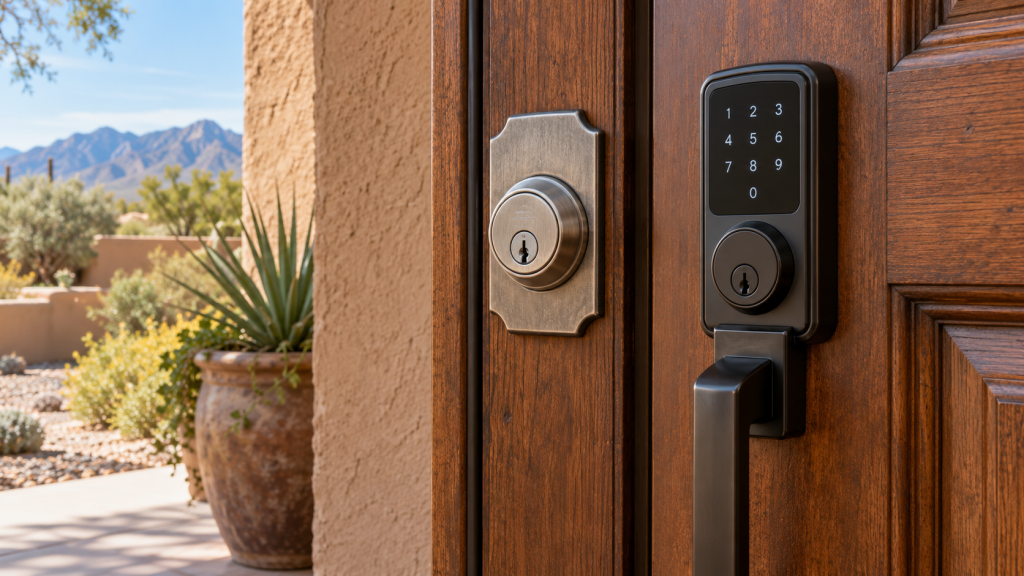
A latch works only if its keeper is securely attached to a sound frame. Inspect the frame for movement, rot, corrosion or gaps. Check whether weatherstripping is intact and whether the panel closes fully without pushing it into position. If the glass is damaged, arranging proper glazing repair may be more important than adding another lock. Film or glazing products are sometimes discussed as security upgrades, but their performance depends on the product and installation; they do not replace a working latch and frame.
Exterior lighting and visibility can also help you notice whether the door is left open or damaged. Keep shrubs from hiding the entire entrance while preserving the privacy you want. If a patio door connects to a yard gate, check that gate too. A strong patio lock does little good if the gate routinely stands open and the door’s latch is never tested.
Windows deserve a room-by-room check
Open each accessible window and close it again, then confirm the latch engages. A window can appear shut while the sash is slightly out of position. Check for cracked frames, missing screws, damaged screens and hardware that is painted over or difficult to use. If a window has a secondary stop or limiter, make sure it works as intended and does not prevent required emergency escape. Bedroom windows in particular may have egress requirements that must be respected.
Different window styles need different hardware. A sliding window, casement window and double-hung sash do not use identical locks. Buy a device that is compatible with the frame and the manufacturer’s instructions. If the sash does not align, adding a stronger latch will not solve the fit problem. Do not drill blindly into an unfamiliar frame, especially if wiring, weather seals or glazing components could be affected.
Plan for Albuquerque heat, dust and storms
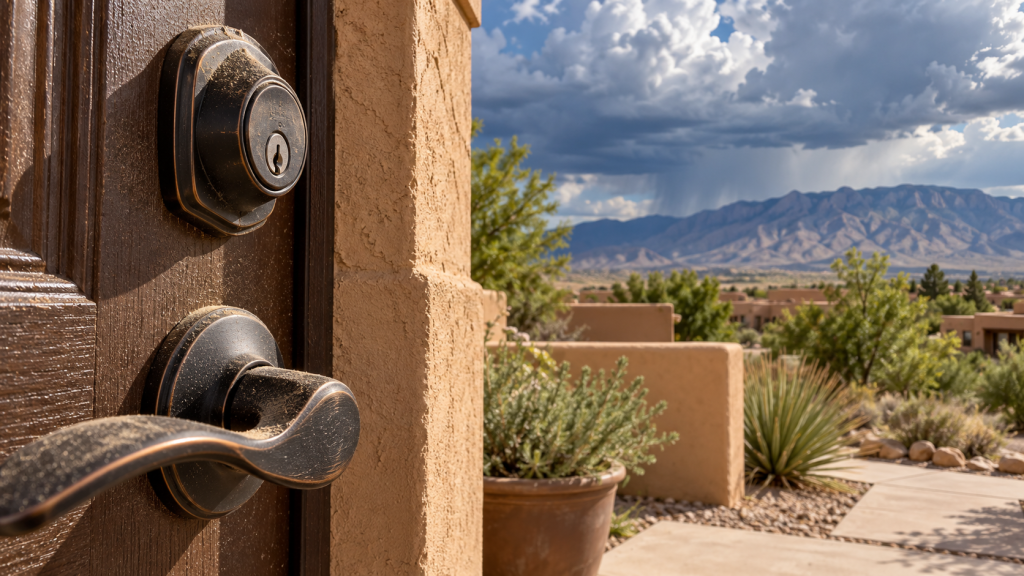
Sun exposure can change how doors and windows fit over the day, while windblown dust can collect in tracks. Monsoon rain may reveal leaks around a patio door or window frame. Test suspect openings at different times and after weather events. If a patio latch engages only in the cool morning, or a window becomes hard to close after rain, record the pattern. That information helps a professional distinguish hardware wear from frame movement or a sealing issue.
Routine care is simple: keep accessible tracks clear, check fasteners for looseness, clean keys, and test all locks as part of seasonal home maintenance. Avoid household oil on a dusty mechanism unless its manufacturer recommends it. If a lock or latch sticks, do not apply increasing force until it breaks. Address the cause while the entry can still be secured.
An inspection order that keeps priorities clear
Start with any opening that cannot lock at all. Next address damaged frames, glazing or panels that do not close. Then review latches that work inconsistently and consider appropriate supplemental hardware. Finally, evaluate convenience upgrades such as keyed patio locks or matching hardware. This sequence puts function before accessories. For a rental property, tell the owner promptly about any window or door that cannot be secured. Keep a record of repairs for future occupants.
If you recently moved in, include sliding doors and windows in your first-week walk-through rather than checking only the front-door deadbolt. If a lock is damaged or a key is missing, ask whether repair, rekeying or replacement is appropriate for that opening. Our lock repair and adjustment service can help with compatible residential hardware.
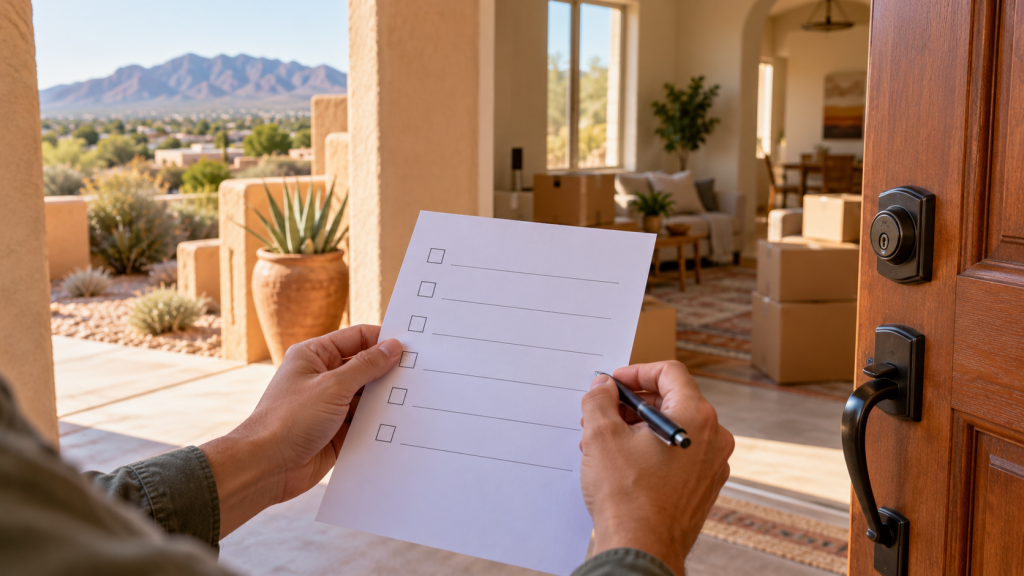
A sliding door security test you can repeat
Open the panel fully and check whether it travels smoothly without lifting it off its track. Remove only loose surface debris that is easy to reach; do not take apart an unfamiliar roller assembly. Close the door normally and watch whether the latch meets its keeper without forcing the handle. Gently test the closed panel to confirm it stays engaged. If the latch misses the keeper, document the gap and whether the panel leans or drags. A supplemental bar should not be used to hide a failing primary latch.
Next, look at the frame and the area around the glass. Check for loose fasteners, damaged seals, corrosion and movement at the meeting rail. A sliding door can become hard to operate because of rollers or frame alignment, not because the lock itself is defective. Sliding door security improves when the entire opening works as a system. If the panel requires excessive force, arrange an inspection before adding a heavier lock that may be difficult to operate.
Finally, confirm that residents know how to exit. A security device that blocks a patio door may be unsuitable if that door is part of the household’s emergency route. Keep instructions simple and test the door with the people who use it. If children or older adults need access, consider whether they can operate the chosen device without help. The safest improvement is one that resists unwanted entry while remaining usable every day.
Choose a supplemental measure carefully
A track bar, pin lock or secondary latch can add another step for an intruder, but its value depends on the door and installation. A bar that is too short, loose or easily displaced may give a false sense of security. A pin drilled into the wrong location can damage the panel or interfere with movement. Ask a qualified professional which options fit the door’s material, track and frame. Confirm that the device can be used consistently by everyone in the household and removed quickly when the door must serve as an exit.
Consider the view through the glass, too. Window film and curtains serve different purposes from a lock. A privacy treatment may reduce visibility into a room, but it does not repair a weak latch. Likewise, replacing a lock does not correct worn rollers that prevent the panel from seating properly. Sliding door security should be evaluated as layers: proper closure, a working latch, sound frame, appropriate supplemental hardware and a clear exit plan.
Include nearby windows in the same inspection
Windows around a patio often have different latch styles. Open and close each sash, check that it seats in the frame and test the latch gently. If a window is used for ventilation, determine which opening position can be secured and whether an added device is compatible with safe exit. Avoid treating a screen as a barrier. A screen is meant for insects and airflow, not to replace a lock or limit access.
Ground-floor windows deserve particular attention, but high windows can matter where a balcony, roof or adjacent structure provides access. Note any frame damage, loose hardware or sash that can be moved despite a closed latch. If several windows share the same symptom, the problem may involve installation or settling rather than individual locks. Document the condition by room so a technician can address the right opening.
Account for weather and regular use
In Albuquerque, dust can collect in a track and heat can affect how a panel meets its frame. After a storm, wipe accessible moisture, remove loose debris and recheck the latch. Do not flood the track or use a chemical product without confirming it is suitable for the materials. A rough sliding door should not be forced repeatedly; pressure can damage rollers or hardware. Sliding door security depends on a panel that closes smoothly as well as a latch that engages fully.
Keep a short record of each opening: room, door or window type, current latch condition, weather exposure and the action needed. Put an exterior opening that cannot be secured at the top of the list. Schedule adjustments for doors that still lock but need force. Review the list after a repair and again after a major storm. This helps the household notice whether a fix lasts and keeps small problems from becoming an urgent lockout.
When repair is better than another lock
If a patio panel drags, replacing only its latch may leave the original problem unchanged. The panel may be out of alignment, the rollers may be worn, or the frame may have shifted. Ask for an inspection that begins with movement and closure before selecting hardware. A repair may restore proper engagement without changing the lock model. When the existing latch is broken or unsuitable, replacement can be appropriate, but it should be chosen for the opening rather than simply for its appearance.
A window presents a similar decision. If the sash is loose, a new latch may still fail to hold it in position. Check whether the frame, track or balance needs attention first. Sliding door security and window security share a basic principle: a lock can only do its job when the opening closes correctly. Keep a record of whether the issue is movement, alignment, missing parts or damage. That record helps separate a repair from a hardware upgrade.
Questions to ask during a service visit
Describe which entrance is affected, when the problem began and whether heat, rain or daily use changes the symptom. Ask the technician to demonstrate the problem with the panel open and closed. Request an explanation of the proposed repair, any replacement part and how the finished door will be tested. If a supplemental device is recommended, ask how occupants will release it from inside and whether it affects an emergency exit. A clear scope matters more than a generic promise that a stronger lock will solve everything.
After the work, operate the door several times yourself. It should slide, seat, latch and release without lifting or forcing. Check the supplemental device and make sure everyone who uses the entrance understands it. Ask how to maintain the specific hardware and when to call if symptoms return. Sliding door security is a continuing routine; a one-time installation cannot compensate for a track that fills with debris or a frame that shifts over time.
A simple seasonal routine
At the start of warm weather and after the monsoon season, inspect the track, rollers, latch, frame and nearby windows. Remove only accessible loose debris and dry visible moisture. Look for corrosion, loose screws and seals that no longer sit correctly. Test the latch with the door closed normally, then confirm the secondary measure works as intended. Do not wait until a guest or child is unable to open the door to discover that a device has become difficult to operate.
For a rental property, include these checks between occupants and keep a list of who has keys or access codes. For an owner-occupied home, assign the routine to a calendar reminder and keep the service notes. If an opening cannot be secured, move it from routine maintenance to urgent repair. Sliding door security is most effective when the household notices changes early and addresses the actual cause.
Frequently Asked Questions
Is a patio-door track bar enough by itself?
It can be a useful additional measure when fitted and used correctly, but it does not replace a functioning latch, sound frame and properly closing panel. Test the complete door.
Can I add a keyed lock to any sliding door?
Not every device fits every door. Check the panel and frame design, manufacturer guidance and egress needs. A professional can help identify compatible hardware without damaging the door.
What if my window latch closes but the sash still moves?
The sash may be misaligned, the latch or keeper may be worn, or the frame may be damaged. Do not assume the window is secure because the handle changed position. Arrange repair.
Should bedroom windows have extra locks?
Any extra hardware must preserve required emergency escape. Check applicable requirements and choose a device that occupants can release quickly. Safety and security need to work together.
How often should these openings be checked?
Test them during seasonal maintenance and after a major storm or move-in. Dust, heat and infrequent use can hide developing problems.
Secure the openings you actually use
A practical security plan covers the patio and windows as well as the front door. If a sliding door will not latch, a window lock is broken, or you want compatible hardware advice in Albuquerque, call Budget Locksmith of New Mexico at (505) 509-5770.